

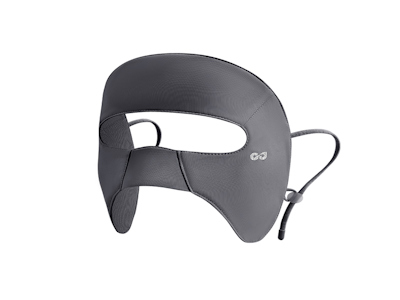
Введение: Рынок защитных масок пережил беспрецедентный рост за последние годы, в основном из-за пандемии COVID-19. Этот обзор исследует ключевых игроков, которые доминируют в этой отрасли, анализируя их стратегии, рыночную долю и влияние на глобальное здравоохранение. Мы начнем с общего обзора рынка, затем углубимся в региональных лидеров, таких как Китай, США, Европа и Россия, и завершим обсуждением будущих тенденций. Важно понимать, что доминирование на рынке определяется не только объемом производства, но и инновациями, качеством продукции и способностью адаптироваться к меняющимся потребностям.
Мировой рынок масок оценивается в миллиарды долларов, с ожидаемым дальнейшим ростом в постпандемическую эпоху. Пандемия COVID-19 стала катализатором, увеличив спрос на медицинские и защитные маски в разы. Согласно отчетам, такие как от Grand View Research, рынок масок достиг пика в 2020-2021 годах, с годовым ростом более 50%. Основные сегменты включают хирургические маски, респираторы N95 и тканевые маски. Доминирующие производители часто базируются в регионах с развитой производственной инфраструктурой, таких как Азия, где Китай является бесспорным лидером. Однако, другие страны, включая США и страны ЕС, также усилили свое присутствие благодаря местным производствам и регуляторным мерам. Факторы, влияющие на доминирование, включают себестоимость производства, скорость выпуска продукции, соблюдение стандартов (например, FDA в США или CE в Европе), и способность к масштабированию. Кроме того, пандемия highlighted vulnerabilities in global supply chains, leading to a shift towards regionalization and increased investment in domestic production. This section sets the stage for a deeper dive into specific players.
Китай доминирует на рынке масок, производя более 50% мирового объема. Ключевые компании, такие как BYD, Shanghai Dasheng, и Winner Medical, стали household names during the pandemic. BYD, originally an automaker, pivoted to mask production and at its peak was producing over 50 million masks per day. This agility was fueled by China's massive manufacturing ecosystem, which includes access to raw materials like melt-blown fabric, and government support through subsidies and expedited approvals. The country's dominance is not without challenges; quality concerns have arisen, with some exports being rejected for not meeting international standards. However, Chinese producers have invested heavily in R&D to improve quality and expand into high-end products like N95 respirators. The Belt and Road Initiative also facilitates exports, solidifying China's position. Looking ahead, China is likely to maintain its lead due to economies of scale, but competition from other regions may erode some market share as global supply chains diversify.
В США доминируют компании like 3M, Honeywell, and Kimberly-Clark, which have long histories in personal protective equipment (PPE). 3M is a global leader, particularly in N95 respirators, with a market share that spiked during the pandemic. The U.S. market saw a surge in domestic production due to the Defense Production Act, which prioritized mask manufacturing to reduce reliance on imports. Companies like Prestige Ameritech and Moldex-Metric also expanded capacities. Innovation is a key differentiator; for instance, 3M's masks incorporate advanced filtration technologies, and there's a growing trend towards reusable and eco-friendly masks. Regulatory frameworks from the FDA and NIOSH ensure high standards, but high production costs compared to Asia can be a drawback. The U.S. is focusing on resilience, with policies encouraging onshoring, which may strengthen the position of local producers in the long term.
Европейский рынок масок характеризуется strong regional players such as Dräger in Germany, Alpha Solway in the UK, and Valmy in France. The EU responded to the pandemic with initiatives like rescEU, which stockpiled masks and supported local production. Companies here emphasize quality and sustainability, with many offering biodegradable or reusable options. For example, Dräger is known for its high-performance respiratory protection, often used in healthcare and industrial settings. Market dominance in Europe is influenced by strict CE marking requirements, which can barrier entry for non-EU producers but protect local industries. The Green Deal also pushes for circular economy approaches, impacting mask design. While Europe imports significant volumes from Asia, there's a push for self-sufficiency, which could boost dominance of EU-based manufacturers in the future.
В России рынок масок saw rapid growth during the pandemic, with companies like Ростсельмаш (which diversified into mask production) and Биотехносфера becoming prominent. The government implemented measures to boost local production, including subsidies and import restrictions. Russian producers focus on meeting domestic demand first, with exports growing slowly. Challenges include lower technological advancement compared to global leaders and dependency on imported materials. However, initiatives like the import substitution policy are driving innovation. For instance, some companies are developing masks with antimicrobial coatings. Russia's dominance is more regional, particularly within the CIS countries, but it has potential to expand with increased investment in R&D and infrastructure.
Будущее доминирования на рынке масок будет shaped by several trends: post-pandemic normalization may reduce demand, but heightened health awareness will sustain it. Innovations like smart masks with sensors or improved biodegradability will differentiate leaders. Sustainability will become crucial, with consumers preferring eco-friendly options. Geopolitical factors, such as trade tensions, may encourage more regional production hubs. Ultimately, while China remains dominant, diversification and localisation efforts in other regions could lead to a more balanced market. Key takeaways: dominance is not static; it requires adaptation to new challenges and opportunities. For consumers and policymakers, understanding these dynamics is essential for ensuring resilient supply chains.
В заключение, крупные производители масок доминируют благодаря комбинации масштаба, инноваций и стратегической адаптации. От Китая до США, каждый регион вносит свой вклад в глобальный ландшафт. Будущее будет зависеть от того, как эти игроки respond to evolving demands for quality, sustainability, and affordability.
 1388xx888xx