
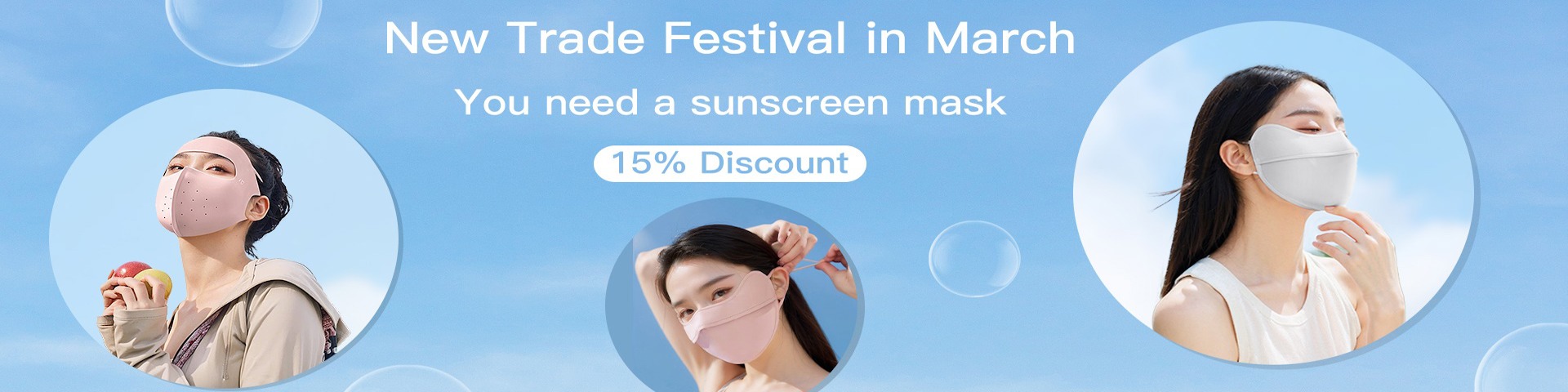
В современном мире, где пандемии и инфекционные заболевания стали частью нашей повседневной жизни, ношение маски превратилось из простой меры предосторожности в неотъемлемый элемент общественного здоровья. Маска — это не просто аксессуар; это мощный инструмент, который может спасти жизни, защищая как носителя, так и окружающих. Однако многие люди до сих пор не знают, как правильно использовать маски, что снижает их эффективность и даже может навредить. В этой статье мы подробно рассмотрим 10 ключевых советов по правильному ношению маски, основанных на научных данных и рекомендациях Всемирной организации здравоохранения (ВОЗ). Мы обсудим всё: от выбора подходящей маски до тонкостей гигиены и социальной ответственности. Цель — не только информировать, но и вдохновить на осознанное отношение к собственному здоровью и здоровью других.
Первым шагом к эффективной защите является выбор подходящей маски. На рынке представлено множество вариантов: медицинские маски (например, хирургические), респираторы (такие как N95 или FFP2), тканевые маски и даже современные многоразовые модели с фильтрами. Каждый тип имеет свои преимущества и ограничения. Медицинские маски идеально подходят для повседневного использования в общественных местах, так как они эффективно блокируют крупные капли, содержащие вирусы. Респираторы обеспечивают более высокий уровень защиты, фильтруя до 95% частиц, и рекомендуются для медицинских работников или людей в зонах высокого риска. Тканевые маски, если они сделаны из нескольких слоёв плотной ткани, также могут быть эффективны, но их нужно регулярно стирать. Важно учитывать ситуацию: для похода в магазин достаточно медицинской маски, а для посещения больницы или crowded помещений лучше выбрать респиратор. Исследования показывают, что неправильный выбор маски может снизить защиту на 50%, поэтому всегда ориентируйтесь на рекомендации местных health authorities.
Ношение маски, которая не плотно прилегает, практически бесполезно. Воздух будет просачиваться через щели, сводя на нет фильтрующие свойства. Маска должна закрывать нос, рот и подбородок полностью, без зазоров. Для проверки прилегания можно провести простой тест: наденьте маску и попробуйте подуть — если вы чувствуете, что воздух выходит по бокам, значит, маска не подходит. Многие люди носят маски слишком свободно, особенно дети или люди с нестандартной формой лица. В таких случаях можно использовать маски с регулируемыми завязками или носовые clips для лучшего прилегания в области носа. Плотное прилегание не только повышает защиту, но и делает ношение более комфортным, reducing the temptation to adjust it frequently. Remember, a well-fitted mask can reduce transmission risk by up to 70%, according to studies.
Гигиена рук — краеугольный камень профилактики инфекций. Перед тем как надеть маску, всегда мойте руки с мылом и water в течение至少 20 секунд или используйте дезинфицирующее средство на спиртовой основе. Это предотвращает перенос pathogens с рук на маску и, consequently, на лицо. То же самое applies при снятии маски: сначала вымойте руки, затем аккуратно снимите маску, избегая touching the front part, which may be contaminated. Многие люди neglect this step, thinking that the mask itself provides full protection, but contaminated hands can easily spread viruses. Incorporate hand washing into your routine; it's a simple habit that significantly enhances overall safety. The WHO emphasizes that hand hygiene complements mask-wearing, reducing infection rates by additional 20-30%.
Одна из самых common mistakes — frequent touching or adjusting of the mask while wearing it. Это не только нарушает its seal но и increases the risk of contamination from your hands. Если вам нужно поправить маску, сначала вымойте руки или используйте дезинфицирующее средство. Старайтесь носить маску continuously without adjustment; if it feels uncomfortable, perhaps it's not the right fit or type for you. Educate yourself and others: children and elderly might need reminders. Studies indicate that touching the face while wearing a mask can transfer viruses from surfaces, negating the protective benefits. Make a conscious effort to keep hands away from your face; this small discipline can make a big difference in maintaining health.
Маски, особенно одноразовые, имеют ограниченный срок службы. Влажная маска от дыхания или пота теряет свою эффективность, так как moisture can reduce filtration efficiency and promote bacterial growth. Меняйте маску every 4-6 hours, or sooner if it becomes damp. For reusable masks, follow manufacturer's instructions for washing and drying. Never reuse a disposable mask; it's designed for single use only. Keeping a spare mask with you is a good practice, especially in humid environments or during physical activity. Regular replacement ensures optimal protection and hygiene, reducing the risk of self-contamination. Data shows that using a mask beyond its recommended duration can increase infection risk by up to 40%.
Снятие маски requires care to avoid contamination. Always remove it by the ear loops or ties, not by touching the front. After removal, dispose of disposable masks in a closed bin immediately; for reusable ones, place them in a sealed bag until washing. Wash hands thoroughly after handling. Improper disposal can spread pathogens to others or the environment. In public places, use designated bins for medical waste if available. This step is crucial for community health, as discarded masks can become a source of infection if not handled properly. Encourage others to follow suit; collective responsibility strengthens public safety measures.
Маска — это лишь one layer of protection. For comprehensive safety, combine it with other measures like social distancing (maintaining at least 1 meter from others), avoiding crowded places, and practicing good respiratory hygiene (e.g., covering coughs and sneezes). Vaccination, where available, is also key. No single measure is 100% effective, but together they create a robust defense system. Educate yourself on local guidelines and adapt accordingly. This holistic approach not only protects you but also contributes to herd immunity, ultimately helping to control the spread of diseases.
Not everyone can wear a mask in the same way. People with respiratory conditions, disabilities, or young children may face challenges. Choose masks that are comfortable and accessible; for example, masks with clear panels can help those who rely on lip-reading. Be empathetic and support others in finding solutions. If you cannot wear a mask due to health reasons, focus on alternative protections like staying home or using face shields. Personalization ensures that mask-wearing is sustainable and effective for all, promoting inclusivity in public health efforts.
Your behavior influences those around you. By wearing a mask correctly and consistently, you set a positive example for family, friends, and community. Share accurate information from reliable sources like WHO or CDC to combat misinformation. Participate in public health campaigns and encourage discussions about the importance of masks. Collective action is powerful; when more people adopt proper practices, the overall risk decreases significantly. Be a advocate for health – it's a responsibility we all share in these times.
The science around masks and pandemics is evolving. Stay informed about the latest research and guidelines from health organizations. What was recommended yesterday might change today based on new evidence. Be flexible and willing to adjust your practices. For instance, during outbreaks of new variants, recommendations on mask types or usage might update. Continuous learning ensures that you are always using the most effective methods for protection. Embrace change as part of staying safe and healthy in a dynamic world.
Правильное ношение маски — это не просто ritual, а science-based practice that can save lives. Следуя these 10 советам, вы maximizes your protection and contributes to public health. Remember, it's about more than just wearing a piece of fabric; it's about responsibility, care, and community. Let's work together to make mask-wearing a norm that keeps us all safe. Stay informed, stay protected, and encourage others to do the same. The future of health depends on our collective actions today.
Для дополнительной информации, обратитесь к официальным источникам, таким как Всемирная организация здравоохранения (ВОЗ) или местные health authorities. Берегите себя и своих близких!
 1388xx888xx