


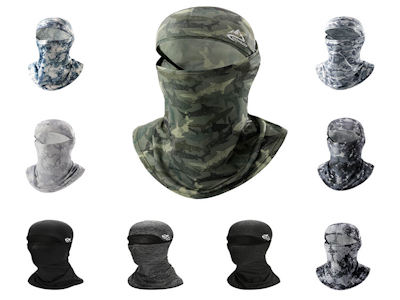
Введение: В современном мире, где угрозы здоровью, такие как пандемия COVID-19, продолжают влиять на глобальное сообщество, защита здоровья становится приоритетом номер один. Одним из наиболее эффективных и доступных средств для предотвращения распространения инфекционных заболеваний являются маски. В 2024 году, с учетом накопленного опыта и новых вызовов, оптовая закупка масок emerges как критически важный стратегический элемент. Эта статья исследует, почему массовые закупки масок не только экономически выгодны, но и жизненно необходимы для обеспечения общественной безопасности, снижения рисков заражения и поддержания устойчивости систем здравоохранения. Мы рассмотрим исторический контекст, текущие рыночные тенденции, преимущества оптовых поставок, а также практические рекомендации для организаций и правительств.
Пандемия COVID-19, начавшаяся в 2020 году, кардинально изменила восприятие средств индивидуальной защиты (СИЗ), особенно масок. В первые месяцы кризиса дефицит масок привел к хаосу в системах здравоохранения по всему миру. Больницы и медицинские учреждения столкнулись с острой нехваткой ресурсов, что усугубило последствия пандемии. Например, в России и других странах наблюдались задержки в поставках, что вынудило правительства и частный сектор пересмотреть свои стратегии закупок. Опыт показал, что реактивное, а не проактивное планирование может иметь катастрофические последствия. В 2024 году, с учетом этих уроков, оптовая закупка масок становится не просто реактивной мерой, а проактивной стратегией, направленной на предотвращение будущих кризисов. Исторические данные свидетельствуют, что страны, которые инвестировали в оптовые запасы СИЗ, смогли лучше справляться с волнами инфекций, снижая нагрузку на больницы и спасая жизни. Это подчеркивает необходимость интеграции масок в долгосрочные планы общественного здоровья.
Рынок масок в 2024 году продолжает развиваться, driven by technological advancements and increased awareness. Global production has stabilized, with China, the United States, and European countries leading in manufacturing. However, challenges such as supply chain disruptions, inflation, and geopolitical tensions persist. In Russia, the domestic production of masks has expanded significantly since 2020, with companies like "Роснано" and private enterprises investing in local factories. This has reduced dependence on imports and made оптовые закупки more feasible. Trends show a shift towards sustainable and reusable masks, as well as innovations in materials (e.g., nanofiber masks) that offer better protection and comfort. Additionally, the demand for masks remains high not only for medical purposes but also for everyday use in crowded places, schools, and workplaces. Market analysis indicates that оптовые закупки can leverage economies of scale, reducing costs by up to 30-50% compared to retail purchases. For instance, bulk orders from manufacturers allow for negotiated prices, ensuring a steady supply even during peaks in demand. This makes оптовая закупка an intelligent choice for governments, businesses, and healthcare providers aiming to optimize resources.
Оптовая закупка масок offers numerous advantages that extend beyond mere cost savings. Firstly, it ensures availability: by securing large quantities in advance, organizations can avoid shortages during emergencies, such as new variants of viruses or seasonal flu outbreaks. This is crucial for public health, as timely access to masks can significantly reduce transmission rates. Secondly, cost-effectiveness: bulk purchasing lowers the per-unit cost, freeing up budgets for other essential health initiatives. For example, a hospital that buys masks in bulk can allocate saved funds to medical equipment or staff training. Thirdly, logistical efficiency: оптовые поставки simplify inventory management, reduce shipping frequencies, and minimize storage issues. This is particularly beneficial for large entities like government agencies or corporate chains that need to distribute masks across multiple locations. Moreover, оптовая закупка supports local economies by fostering partnerships with domestic producers, creating jobs, and enhancing supply chain resilience. In 2024, with the lingering effects of the pandemic, these benefits make оптовая закупка not just a practical measure, but a moral imperative to protect vulnerable populations.
Научные исследования consistently demonstrate the efficacy of masks in preventing the spread of respiratory infections. Masks act as barriers, trapping droplets that may contain viruses like SARS-CoV-2, influenza, or others. Studies from the World Health Organization (WHO) and Centers for Disease Control and Prevention (CDC) confirm that widespread mask use can reduce transmission by over 70%. In 2024, with ongoing threats from COVID-19 variants and other pathogens, masks remain a first line of defense. For instance, in healthcare settings, N95 masks are essential for protecting workers, while surgical and cloth masks suffice for general public use. Оптовая закупка ensures that high-quality masks are accessible to all, reinforcing public health campaigns. Additionally, masks contribute to herd immunity by limiting super-spreader events, making them a key tool in pandemic preparedness. By investing in bulk purchases, societies can amplify these benefits, ensuring that even in times of crisis, protective measures are readily available. This scientific backing underscores why оптовая закупка is a cornerstone of health protection strategies in 2024.
To maximize the benefits of оптовая закупка масок, stakeholders should follow best practices. Firstly, conduct thorough market research to identify reliable suppliers with certifications (e.g., ISO standards) for quality assurance. In Russia, organizations can leverage platforms like "Госзакупки" for transparent procurement. Secondly, plan for diversity: purchase a mix of mask types (e.g., surgical, N95, cloth) to cater to different needs and scenarios. Thirdly, implement inventory management systems to monitor stock levels and avoid wastage; for example, use just-in-time delivery for perishable items. Fourthly, collaborate with health authorities to align purchases with public health guidelines, ensuring that masks meet safety standards. Fifthly, consider sustainability: opt for reusable or biodegradable masks to reduce environmental impact. Finally, educate the public on proper mask usage to enhance effectiveness. By adopting these strategies, оптовая закупка can be seamlessly integrated into health policies, providing a robust defense against health threats in 2024 and beyond.
В заключение, оптовая закупка масок в 2024 году представляет собой неотъемлемый элемент современной стратегии защиты здоровья. Извлекая уроки из прошлого, leveraging current market trends, and emphasizing scientific evidence, мы can build a more resilient society. Маски, как простой yet powerful tool, играют pivotal role in preventing disease spread, and their bulk procurement ensures that this protection is accessible, affordable, and efficient. Для governments, businesses, and individuals, investing in оптовые закупки is a proactive step towards safeguarding public health, reducing economic losses, and fostering a culture of preparedness. As we move forward, let us embrace this approach, ensuring that в 2024 году и в последующие годы, здоровье остается our top priority through smart, scalable solutions like оптовая закупка масок.
 1388xx888xx