

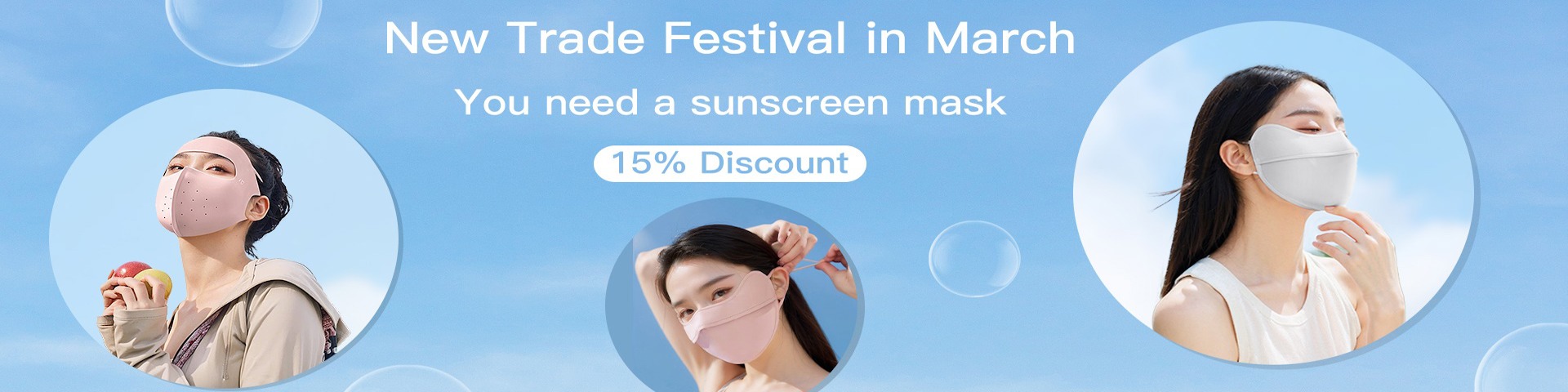
В современном мире, где здоровье и безопасность детей становятся приоритетом для каждого родителя, вопрос о детских защитных масках приобретает особую актуальность. Пандемии, сезонные простуды и загрязнение воздуха заставляют нас задуматься о дополнительных мерах защиты. Однако высокая цена на такие маски часто вызывает сомнения: действительно ли они оправданы? В этой статье мы подробно разберем этот вопрос с различных сторон, включая медицинские, экономические и социальные аспекты, чтобы помочь вам принять информированное решение.
Детские защитные маски — это специализированные средства индивидуальной защиты, предназначенные для детей в возрасте от 2 до 12 лет. Они созданы с учетом анатомических особенностей детского лица, обеспечивая комфорт и эффективность. С началом пандемии COVID-19 спрос на такие маски резко вырос, что привело к увеличению предложения и, как следствие, к разнообразию цен. Сегодня на рынке можно найти маски от дешевых одноразовых вариантов за 50 рублей до многоразовых моделей премиум-класса стоимостью более 500 рублей за штуку. Но почему такая разница в цене, и стоит ли переплачивать?
Цены на детские маски зависят от множества факторов: материала, производителя, уровня защиты, дизайна и дополнительных функций. Например, маски из хлопка могут стоить дешевле, но обеспечивать меньшую защиту от вирусов по сравнению с масками из нетканых материалов с фильтрами. Производители известных брендов часто завышают цены из-за брендовой надбавки, в то время как местные компании предлагают более доступные альтернативы. Кроме того, маски с веселыми принтами или персонажами из мультфильмов могут стоить дороже, так как они привлекают детей и делают процесс ношения более приятным.
Но за всем этим скрывается ключевой вопрос: оправданы ли эти цены с точки зрения пользы для здоровья? Исследования показывают, что качественные маски могут значительно снизить риск заражения респираторными заболеваниями. Например, по данным ВОЗ, ношение масок в общественных местах уменьшает передачу вирусов на 70-80%. Для детей, чья иммунная система еще развивается, это особенно важно. Однако не все маски одинаково эффективны. Дешевые аналоги могут не обеспечивать достаточную фильтрацию или быть изготовлены из материалов, вызывающих аллергию. Таким образом, высокая цена может быть оправдана, если она гарантирует безопасность и комфорт.
С экономической точки зрения, покупка детских масок — это долгосрочное вложение в здоровье. Рассмотрим пример: если семья покупает одноразовые маски по 30 рублей за штуку и использует их ежедневно, годовые затраты могут составить около 10,000 рублей на ребенка. В то же время, многоразовая маска за 300 рублей, которую можно стирать и использовать несколько месяцев, обойдется значительно дешевле в долгосрочной перспективе. Это подчеркивает важность выбора не только по цене, но и по практичности.
Социальный аспект также играет роль. В школах и детских садах ношение масок часто становится обязательным, и дети, у которых нет качественных масок, могут чувствовать себя некомфортно или подвергаться насмешкам. Инвестиции в хорошие маски могут помочь ребенку адаптироваться к новым нормам и сохранить психологическое благополучие. Кроме того, поддержка местных производителей через покупку их продукции может способствовать развитию экономики и созданию jobs.
В заключение, цены на детские защитные маски могут показаться завышенными, но при тщательном анализе они часто оправданы. Ключ — в выборе продукта, который сочетает в себе качество, безопасность и экономическую эффективность. В следующих разделах мы углубимся в детали, чтобы предоставить вам полную картину и практические советы.
Здоровье детей — это хрупкая система, требующая особого внимания. Детские дыхательные пути более чувствительны, чем у взрослых, и неправильно подобранная маска может нанести вред вместо пользы. Качественные маски должны соответствовать стандартам, таким как ГОСТ или международные нормы (например, EN 14683 для медицинских масок), которые гарантируют уровень фильтрации бактерий и вирусов не менее 95%. Дешевые маски часто не проходят такие тесты и могут содержать вредные химические вещества, такие как формальдегид или тяжелые металлы, которые выделяются при дыхании и вызывают раздражение кожи или дыхательных путей.
Исследования, проведенные в различных странах, показывают, что эффективность маски напрямую зависит от материала. Маски из многослойного нетканого материала, такого как спанбонд, обеспечивают лучшую защиту compared to single-layer cotton masks. For children, who are more active and tend to touch their faces, a well-fitting mask with adjustable ear loops is crucial to prevent gaps that reduce protection. High-end masks often include features like nose wires and filters, which enhance seal and filtration, justifying their higher cost. Moreover, reusable masks made from antimicrobial fabrics can reduce the risk of bacterial growth, making them safer for long-term use.
Another medical consideration is the psychological impact. Children may resist wearing masks due to discomfort or fear. Expensive masks with fun designs or soft materials can make the experience more positive, encouraging compliance and reducing stress. This is not just a luxury; it's a health necessity, as consistent mask-wearing is key to preventing disease spread. Pediatricians recommend choosing masks that are breathable to avoid hypoxia or dizziness, especially during physical activities. Thus, investing in a pricier, high-quality mask can prevent health issues and ensure that the child wears it willingly.
From a cost-benefit perspective, the price of a good mask pales in comparison to potential medical expenses from illness. A simple respiratory infection can lead to doctor visits, medications, and missed school days, costing families hundreds or thousands of rubles. By spending a bit more on a reliable mask, parents can avoid these costs and protect their child's well-being. In summary, while cheap masks might save money upfront, they often fall short in protection, making higher prices justified for health reasons.
Экономика покупки детских масок involves weighing initial costs against long-term savings. Let's break down the numbers. A pack of 50 disposable masks might cost around 1,500 rubles, meaning each mask is 30 rubles. If a child uses one mask per day, annual cost is approximately 10,950 rubles. In contrast, a reusable mask priced at 300 rubles can last for 3-6 months with proper care, reducing annual cost to 600-1,200 rubles. This stark difference shows that reusable options are more economical, even if they seem expensive initially.
However, not all reusable masks are created equal. Higher-priced models often come with better durability, meaning they can withstand multiple washes without losing shape or effectiveness. Cheap reusable masks might cost 100 rubles but deteriorate quickly, requiring frequent replacements and nullifying savings. Additionally, factors like brand reputation and certifications add to the cost but ensure reliability. For instance, masks from reputable companies undergo rigorous testing, reducing the risk of defects that could lead to extra expenses.
Market trends also influence prices. During peak demand, such as flu season or pandemic waves, prices spike due to supply chain issues. But investing in quality masks during off-peak times can save money. Parents should consider bulk purchases or subscriptions from trusted suppliers to get discounts. Another economic aspect is the environmental cost. Disposable masks contribute to plastic waste, which has long-term economic impacts on society through cleanup and health costs. Reusable masks, though pricier, are eco-friendly and align with sustainable practices, potentially saving money in broader societal terms.
In conclusion, while high prices for детские маски might seem daunting, they are often economically justified through durability, savings on replacements, and avoided health costs. Parents should evaluate not just the sticker price but the total cost of ownership, including maintenance and potential risks.
Ношение масок детьми goes beyond physical health; it affects their social and psychological development. In schools, masks have become a norm, and children without adequate protection might feel excluded or anxious. High-quality masks that fit well and look appealing can boost a child's confidence and make them feel part of the group. For example, masks with favorite cartoon characters can turn a protective measure into a fun accessory, reducing resistance and promoting regular use.
Psychologically, children are highly impressionable, and uncomfortable masks can cause distress, leading to avoidance behaviors. Studies indicate that poorly fitting masks can cause skin irritation or difficulty breathing, which may heighten anxiety. Investing in a better mask ensures comfort, which is crucial for mental well-being. Moreover, parents play a key role in modeling behavior; using quality masks themselves sets a positive example and reinforces the importance of safety.
From a social perspective, the price of masks can reflect social status, but this shouldn't be the primary driver. Instead, focus should be on functionality. However, supporting ethical producers who pay fair wages and use safe materials can have positive social impacts, even if it costs more. In communities, sharing information about affordable yet effective options can help reduce disparities and ensure all children have access to protection.
Overall, the psychological benefits of a good mask—reduced stress, better compliance, and enhanced social integration—make the higher price worthwhile. Parents should prioritize masks that balance cost with comfort and appeal to their child's needs.
Choosing the right mask for your child involves several steps. First, check for certifications like GOST or CE marks to ensure safety. Look for masks made from breathable materials, such as cotton blends or specialized fabrics, and avoid those with strong chemical odors. Fit is crucial; measure your child's face and opt for masks with adjustable straps. For younger children, consider masks with fun designs to encourage wear.
Usage tips: Teach your child how to properly put on and remove masks without touching the front. Wash reusable masks regularly with mild soap and air dry to maintain effectiveness. Store masks in a clean, dry place. Rotate between multiple masks to extend their lifespan. If using disposables, dispose of them responsibly to minimize environmental impact.
When comparing prices, don't just go for the cheapest option. Read reviews, consult pediatricians, and consider buying from reputable brands. Sometimes, spending a bit more upfront can save money and health issues down the line. Look for sales or discounts online, but be wary of counterfeit products that may be unsafe.
In summary, a thoughtful approach to selecting masks can make the price justified. Focus on quality, fit, and child-friendly features to ensure the best protection and value.
В заключение, цены на детские защитные маски могут быть оправданы, если они отражают качество, безопасность и долговечность. Медицинские аспекты подчеркивают важность эффективной защиты, экономический анализ показывает выгоду многоразовых масок, а социальные факторыhighlight the need for comfort and compliance. Родителям следует делать informed choices, balancing cost with benefits to ensure their children's health and well-being. В конечном счете, инвестиции в хорошие маски — это инвестиции в будущее детей.
Надеемся, эта статья помогла вам разобраться в вопросе. Всегда консультируйтесь с professionals при принятии решений о здоровье ребенка.
 1388xx888xx