

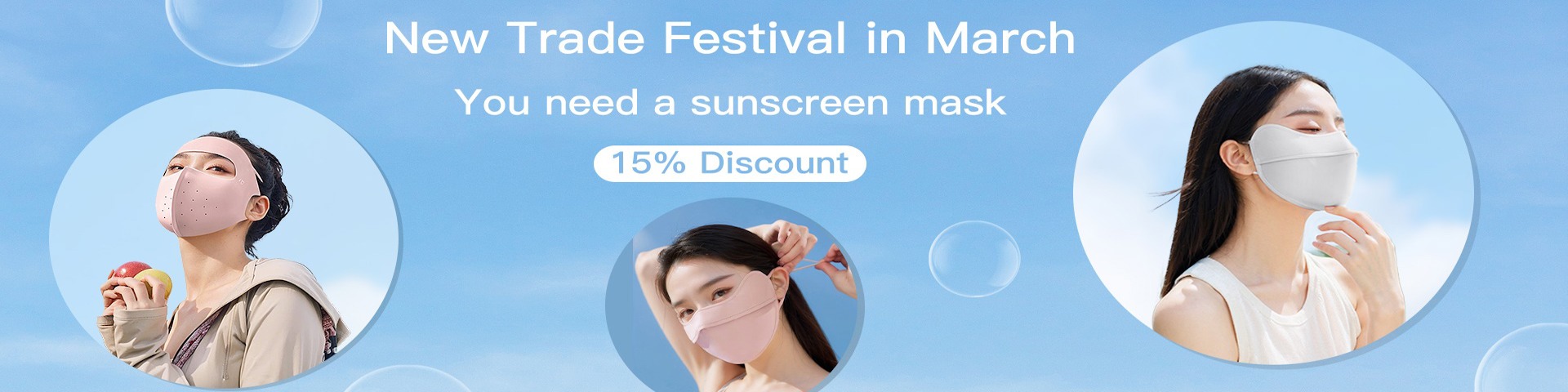

В современном мире, где глобальные вызовы, такие как пандемия COVID-19, изменили нашу повседневную реальность, защитные маски стали не просто аксессуаром, а незаменимым элементом личной безопасности и общественного здоровья. Ношение маски – это не временная мера, а долгосрочная необходимость, обусловленная научными доказательствами, эпидемиологическими рисками и социальной ответственностью. В этой статье мы подробно рассмотрим, почему защитная маска должна стать неотъемлемой частью нашей жизни, охватывая её медицинские, социальные и психологические аспекты.
Защитные маски имеют долгую историю, уходящую корнями в древние времена. Ещё в Средневековье врачи использовали примитивные маски во время вспышек чумы, чтобы защитить себя от «миазмов» – вредных испарений, которые, как считалось, распространяли болезни. Однако настоящий прорыв произошёл в начале XX века с развитием микробиологии. В 1910 году китайский врач У Ляньдэ популяризировал маски во время маньчжурской чумы, доказав их эффективность в снижении передачи инфекции. С тех пор маски стали стандартом в медицинских учреждениях, особенно во время операций, где они предотвращают попадание бактерий из дыхательных путей хирурга в рану пациента.
С развитием технологий маски эволюционировали от простых марлевых повязок до современных респираторов N95, которые способны фильтровать до 95% частиц в воздухе. Пандемия COVID-19 ускорила инновации: появились маски с антимикробными покрытиями, умные маски с датчиками и даже эко-дружественные варианты из biodegradable материалов. Эта эволюция подчёркивает, что маски – не просто реакция на кризис, а прогрессирующий инструмент общественного здравоохранения.
Эффективность защитных масок подтверждена многочисленными исследованиями. Согласно данным Всемирной организации здравоохранения (ВОЗ) и Центров по контролю и профилактике заболеваний (CDC), маски significantly reduce the transmission of respiratory droplets, which are primary carriers of viruses like SARS-CoV-2, influenza, and common cold. Кашель или чихание человека без маски может распространять капли на расстояние до 2 метров, в то время как маска задерживает до 80% этих капель, thus lowering the risk of infection for both the wearer and others.
Мета-анализы, опубликованные в журналах如The Lancet иJAMA, показывают, что widespread mask-wearing can reduce the reproduction number (R0) of COVID-19 by up to 40%. Это означает, что если достаточное количество людей носит маски, цепь передачи прерывается, и пандемия замедляется. Кроме того, маски защищают не только от вирусов, но и от других загрязнителей воздуха, таких как пыль, pollen, и PM2.5 particles, which are linked to respiratory diseases like asthma and bronchitis.
Важно отметить, что эффективность зависит от типа маски. Медицинские маски ( surgical masks) provide good protection against droplets, while respirators like N95 offer higher filtration for aerosols. Однако даже тканевые маски, если они многослойные и well-fitted, can be highly effective in community settings. Исследования demonstrate that combining mask-wearing with other measures like hand hygiene and social distancing creates a synergistic effect,大幅提高 overall protection.
В повседневной жизни маски играют crucial role in breaking the chain of infection transmission. Respiratory viruses spread primarily through close contact, and public spaces like public transport, supermarkets, and offices are hotspots for transmission. Ношение маски в таких environments acts as a barrier, reducing the likelihood of inhaling or exhaling infectious particles.
For example, during the COVID-19 pandemic, countries that implemented mandatory mask policies, such as South Korea and Japan, experienced lower infection rates and fatalities compared to those that did not. This is not limited to COVID-19; masks are equally effective against seasonal flu, which causes millions of illnesses annually. By wearing a mask, individuals contribute to herd immunity indirectly, as reduced transmission means fewer opportunities for the virus to mutate and spread.
Moreover, masks protect vulnerable populations, such as the elderly, immunocompromised individuals, and children. In schools, mask-wearing has been shown to reduce outbreaks, allowing for safer in-person learning. In healthcare settings, masks are indispensable for protecting both patients and staff. Thus, the habit of wearing a mask daily can prevent not only personal illness but also alleviate pressure on healthcare systems.
Ношение маски также имеет psychological and social dimensions. Initially, many people resisted masks due to discomfort, vanity, or misinformation. However, over time, masks have become normalized and even symbolic of collective responsibility. Psychologically, wearing a mask can reduce anxiety by providing a sense of control over one's health in uncertain times.
Socially, masks promote a culture of empathy and solidarity. When everyone wears a mask, it signals care for others' well-being, fostering a sense of community. This is particularly important in diverse societies, where actions like mask-wearing can bridge cultural gaps and promote unity. Additionally, masks have become a fashion statement, with designers creating stylish options that allow individuals to express themselves while staying safe.
On the flip side, mask fatigue is real, and some may experience issues like «maskne» (acne from masks) or difficulty breathing. However, these challenges are manageable with proper mask hygiene, such as changing masks regularly and choosing breathable materials. Education and awareness campaigns are key to addressing misconceptions and encouraging consistent use.
The widespread use of masks has economic implications. The mask industry has boomed, creating jobs in manufacturing and distribution. However, it also raises concerns about waste. Disposable masks, if not disposed of properly, contribute to plastic pollution. Solutions include promoting reusable cloth masks, developing biodegradable options, and implementing recycling programs.
From an economic perspective, preventing outbreaks through mask-wearing saves billions in healthcare costs and lost productivity. For instance, a study estimated that universal mask-wearing could save the U.S. economy up to $1 trillion by avoiding lockdowns and medical expenses. Thus, investing in mask infrastructure is not only a health imperative but also an economic one.
To maximize the benefits of masks, it's essential to use them correctly. Choose a mask that fits snugly but comfortably over your nose, mouth, and chin. Avoid touching the mask while wearing it, and wash your hands before and after handling it. For disposable masks, replace them after each use or when they become damp. For cloth masks, wash them regularly with soap and water.
Combine mask-wearing with other preventive measures: maintain social distance, avoid crowded places, and practice good hand hygiene. Remember, masks are most effective when everyone participates, so encourage others to wear them through positive reinforcement and leading by example.
В заключение, защитная маска – это не временная причуда, а necessity in daily life. Она защищает наше здоровье, поддерживает общественное благополучие и адаптирует нас к вызовам modern world. By making mask-wearing a habit, we invest in a safer, healthier future for all. Let's embrace this simple yet powerful tool and make it an integral part of our daily routine.
Будьте здоровы и responsible! С уважением, автор.
 1388xx888xx