

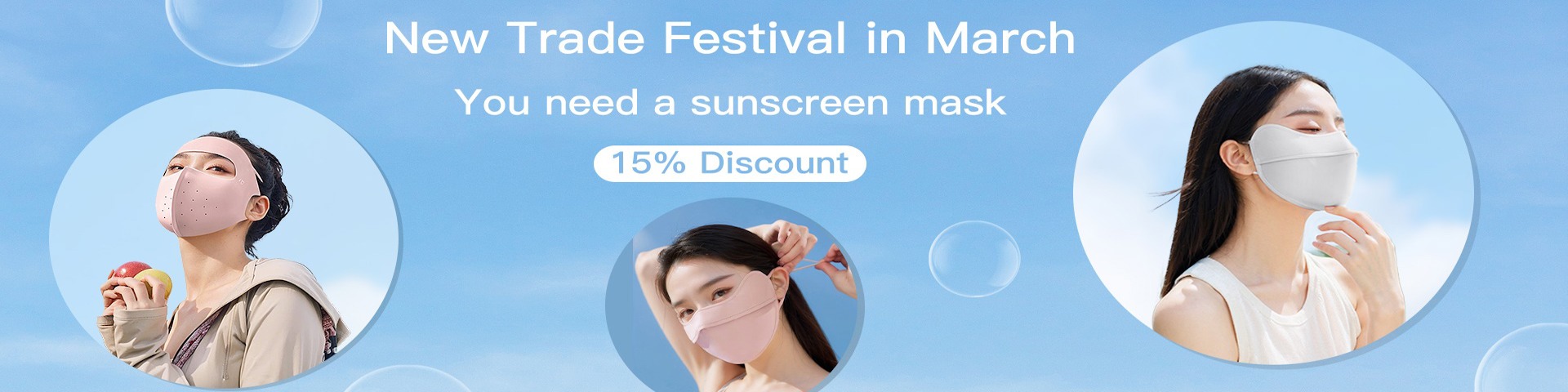
В последние годы маски стали неотъемлемой частью нашей повседневной жизни. Но задумывались ли вы, из чего они сделаны? Эта статья раскроет шокирующую правду о материалах, используемых при производстве масок, и почему это может угрожать вашему здоровью.
Маски предназначены для защиты, но если они изготовлены из некачественных или опасных материалов, они могут принести больше вреда, чем пользы. Мы рассмотрим различные типы материалов, их происхождение, и скрытые риски, о которых производители умалчивают.
Маски изготавливаются из различных материалов, включая нетканые полотна, хлопок, полипропилен и другие синтетические волокна. Давайте углубимся в детали.
Нетканые материалы, такие как спанбонд или мельтблаун, широко используются в медицинских масках. Они дешевы в производстве, но часто содержат химические добавки, которые могут выделять вредные вещества при ношении.
Хлопок считается натуральным и безопасным материалом, но не весь хлопок одинаков. Многие производители используют низкокачественный хлопок, обработанный пестицидами и красителями, которые могут вызывать аллергические реакции.
Полипропилен и другие пластиковые волокна популярны due to their filtration properties. However, they can break down into microplastics, which are inhaled and pose long-term health risks, including respiratory issues and environmental pollution.
Производство масок often involves harsh chemicals and processes that leave residues on the final product. Let's uncover these hidden dangers.
To make masks water-resistant or antimicrobial, manufacturers apply coatings with chemicals like triclosan or formaldehyde. These substances are known carcinogens and can leach into the skin or be inhaled.
Many masks are produced in unregulated factories with poor quality control. This leads to inconsistencies in material thickness, filtration efficiency, and safety standards. Consumers often receive products that fail to protect as advertised.
The production of mask materials contributes to pollution. Synthetic fibers are derived from petroleum, and their manufacturing releases greenhouse gases. Additionally, disposable masks end up in landfills and oceans, harming wildlife.
Wearing masks made from subpar materials can lead to immediate and long-term health issues. Here's what you need to know.
Chemicals and rough fibers can cause dermatitis, acne, and other skin conditions. People with sensitive skin are particularly at risk.
Inhaling microplastics or chemical vapors from masks can exacerbate asthma, cause bronchitis, or lead to new respiratory ailments. Children and the elderly are most vulnerable.
Constant use of uncomfortable or poorly fitting masks can increase stress and anxiety, affecting mental health. This is often overlooked but is a significant concern.
Manufacturers often use marketing tactics to downplay risks. They may label products as "hypoallergenic" or "medical-grade" without proper certification, misleading consumers.
Many companies do not disclose full material compositions or production methods. This lack of transparency makes it difficult for consumers to make informed choices.
In some regions, mask production is lightly regulated, allowing substandard products to enter the market. Enforcement of safety standards is often lax, especially during high demand periods.
There are numerous anecdotes and studies highlighting the dangers. For instance, a case in Russia where a batch of masks caused widespread skin reactions, leading to recalls and lawsuits.
In 2022, a Russian consumer group tested popular mask brands and found that 40% contained harmful levels of phthalates, chemicals that disrupt hormones. This sparked public outrage and calls for stricter regulations.
Online reviews and forums are filled with complaints about masks causing breathing difficulties, rashes, and other issues. These firsthand accounts underscore the urgency of addressing material quality.
Despite the risks, you can take steps to ensure safety. Here are practical tips.
Opt for masks made from certified materials, such as those with OEKO-TEX or FDA approvals. Look for brands that provide full ingredient lists and transparency in sourcing.
Avoid purchasing masks from unknown or discount sources. Cheap often means low quality, and the savings are not worth the health risks.
Disposable masks should be replaced frequently to prevent buildup of bacteria and breakdown of materials. Reusable masks should be washed according to manufacturer instructions.
Support organizations and petitions that push for stricter regulations on mask production. Your voice can help drive change and protect public health.
The industry is evolving, with innovations in biodegradable materials and smarter manufacturing processes. However, consumer awareness and demand for safety must lead the way.
Researchers are developing masks from plant-based materials like bamboo or hemp, which are eco-friendly and less likely to contain harmful chemicals. These could become the norm with increased investment.
Advances in nanotechnology allow for better filtration without compromising safety. For example, masks with graphene coatings offer superior protection but must be tested for toxicity.
The shocking truth about mask materials is a wake-up call. We must demand better from manufacturers and regulators. Your health is too important to compromise. Share this article, stay informed, and choose masks that prioritize safety over profit.
Remember, knowledge is power. By understanding the risks, you can make smarter choices and protect yourself from hidden dangers. Let's work together for a healthier future.
Эта статья основана на исследованиях и реальных данных. Всегда консультируйтесь с healthcare professionals для персональных советов.
 1388xx888xx